
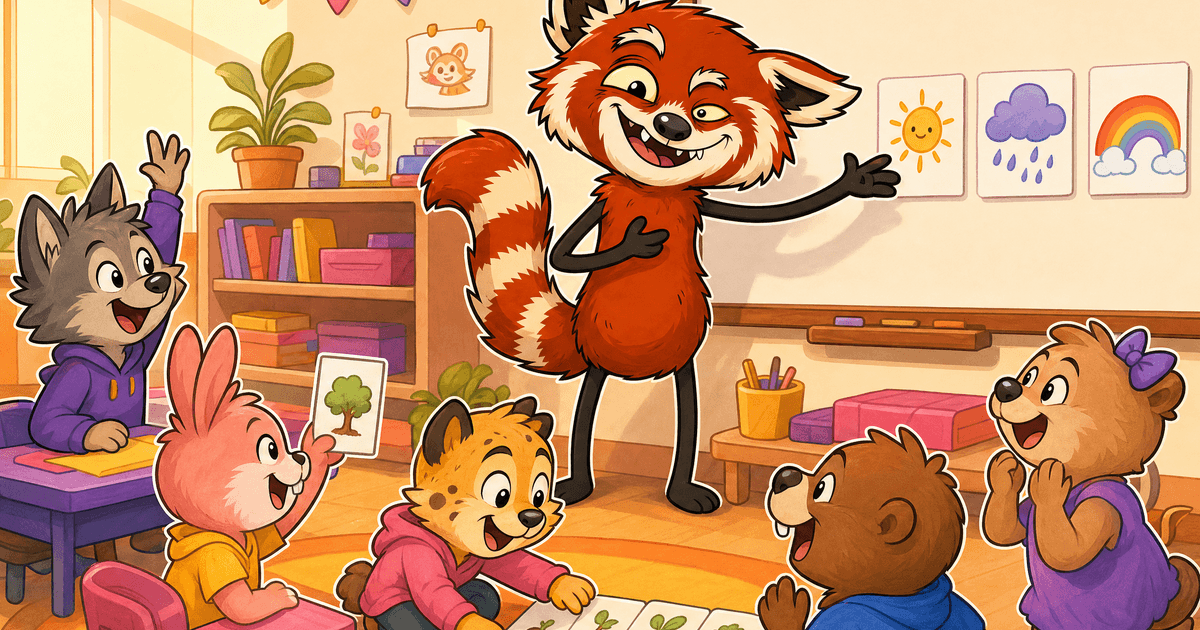
ESL Review Games That Go Beyond Multiple Choice
By Tembii Team
Most classroom review games are a multiple-choice quiz with a timer on top. They are fun for a few minutes, but if you teach a language, you have probably felt the limit: a student can guess C four times in a row and never produce a single word of English. The game ends, everyone cheers, and you are not sure anyone actually learned anything.
The problem is not games. The problem is that one question type — multiple choice — is doing all the work. Language has more moving parts than that, and your review should too.
Why multiple choice alone falls short for language
Multiple choice tests recognition: can a student pick the right answer when it is sitting in front of them? That matters, but it is the easiest thing a learner can do. Real language use asks for more — recalling a word from memory, putting a sentence in order, matching a term to its meaning, producing a full answer out loud.
If every review is multiple choice, you are practising the easiest skill and skipping the harder ones your students actually need.
Seven question types that build real language
Here is the fuller toolkit, and what each one is good at.
Multiple choice still earns its place — it is fast, it works for big classes, and it is great for concept checks. Use it, just do not let it be the whole game.
True / false is quick and surprisingly powerful for grammar. "She go to school every day — true or false?" forces students to notice form, not just meaning.
Fill in the blank is where recall lives. There is no list to pick from, so a student has to produce the word: "Every morning I ___ my teeth." This is much closer to real use than choosing from four options.
Matching is made for vocabulary. Pairing words to meanings, or words to pictures, builds the term-to-meaning links that are the backbone of a growing vocabulary.
Ordering teaches structure. Put the words in order to make a sentence; put the steps of a routine in sequence. For learners wrestling with English word order, nothing beats it.
Picture choice is a gift for beginners. At A1 and A2, a word plus an image carries meaning that a wall of text cannot. It keeps early learners in the game instead of lost.
Open ended asks for production — a full, free response. It is the hardest to run in a fast game, but it is the closest thing to actually speaking, and a few open-ended moments raise the ceiling of any review.
Match the question to the level
A quick rule of thumb:
- A1–A2 (beginner): lean on picture choice, matching, and simple fill-in-the-blank. Keep the load light and the meaning visible.
- B1–B2 (intermediate): ordering, fill-in-the-blank, and true/false for grammar. Start asking for production.
- C1–C2 (advanced): open-ended and harder fill-in-the-blank, where students generate language rather than recognise it.
Mixing types in a single review also keeps stronger and weaker students engaged at once — a real help in the mixed-level classes most ESL teachers actually teach.
Play them, do not print them
Here is the part that turns a worksheet into a game: the same seven question types feel completely different when they are wrapped in something with stakes. A fill-in-the-blank on paper is homework. The same question as a turn in a treasure hunt, with a team waiting on the answer, is a moment students lean into.
You do not need elaborate prep for this. You need variety in the questions and a reason for students to care about getting them right — a board to climb, a wheel to spin, a team to win it for.
The fast way to do all of this
Building seven question types from one lesson, by hand, every week, is exactly the prep that eats your evenings. That is the job Tembii is built for: paste your lesson — or photograph the coursebook page — and it generates all seven question types, tags each one by difficulty, and aligns them to CEFR levels. You review and approve every question, then your class plays them as a themed game instead of a worksheet.
Same review your students need. None of the typing. And not a multiple-choice quiz in sight — unless you want one.
Ready to try it?
Turn your next lesson into an interactive classroom game in under five minutes. No student devices needed.
Sign up freeKeep reading
 subjects4 min read
How to Run One Game for a Mixed-Level ESL Class
One class, several levels, one game. Practical ways to run ESL review that stretches your strong students without losing your beginners.
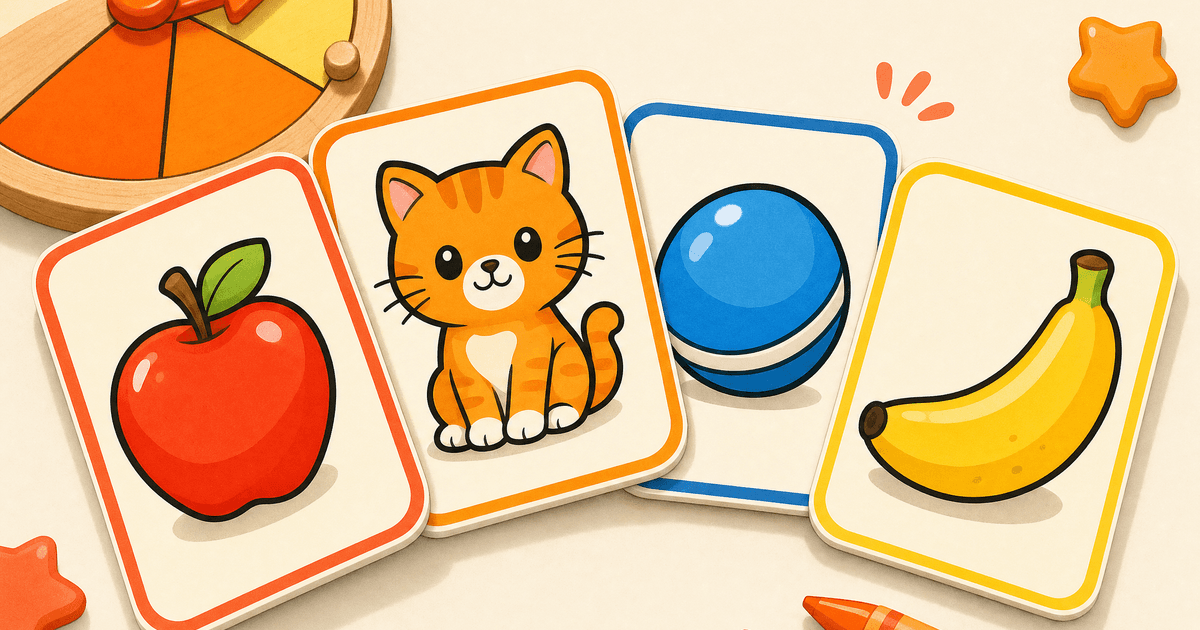 subjects7 min read
Vocabulary Games for A1 Beginners: What Actually Works
Vocabulary games for A1 beginners that respect a tiny word stock: picture-first classics plus digital review games your whole class can play.
- tips6 min read
My ESL co-teacher is a pig who can't read
Teaching with puppets in one-on-one ESL classes: how Bruce the Pig, who cannot read, gets my students reading aloud and explaining their answers.